Some architectural information whisper top quality before a visitor ever before reaches the front door. An appropriately scaled, finely constructed cupola sits in that uncommon class of accessory that likewise addresses an issue. It airs vent attic room warmth, networks moisture, anchors a roofline, and crowns a home with silent authority. Bring back one is much less concerning covering a quite object and more regarding returning a building to its best self. Made with rigor, a recovered cupola pulls the eye to the ridge, straightens the structure, and loses water for one more century.
I have actually stood in a lot of attics, flashlight puncturing dirt, tracing wet discolorations under a stopping working lantern or louver. On the roof covering, you see what the street does not: split joints, environment-friendly copper hemorrhaging around soft solder, thin cedar cheeks turned grey and friable, bases cupping water where a contractor skipped a kerf. When proportion and product analysis are off, even the finest estate can look uncomposed. And when those very same components are correct, everything else feels deliberate, from the dormers and Personalized Roofing Vents to the last positioning of a bespoke copper finial weather condition vane.
Reading the Structure Prior to You Touch the Cupola
Every remediation starts with a study, not only of the cupola itself, however of the roof covering, cornice, ridge structure, and any associated infiltrations. The cupola seldom fails alone. The ridge beam of light may be undersized, the flashing may rely upon caulk as opposed to solder, or the attic room ventilation can be extremely out of balance, compeling warm air and salt to chew at the louvers.
On a 1920s shingle-style house in seaside Maine, the copper light sat beautiful however low, pinched by an asphalt re-roof in the 1990s that stacked programs and decreased the visual plinth. The lantern looked stumpy since the base had been hidden by a thicker roof covering setting up. The fix was not only to reconstruct the cupola, however to redeem the base elevation with a properly blinked curb that respected the brand-new setting up thickness while returning the initial proportions.
You start with sight lines. Step back across the street. Really feel the massing. On a long, reduced home, a tall, narrow lantern can check out alarmingly vertical. On a portable, considerably pitched roofing system, a superficial louvered box might vanish. Historical photographs aid, however many old cupolas were area built and modified. Your eye and measuring tape issue more.
The Language of Percentage: Getting the Shape Right
Good cupolas comply with proportions whether their builders called them or otherwise. There is constantly a discussion between roofing system pitch, tower height, base size, and cap forecast. If you sketch also 5 historic instances, you will certainly see patterns.
For louvered boxes, a beginning geometry that hardly ever angers is a base width about one seventh to one ninth of the key roofing system's ridge length, with an overall cupola elevation equivalent to in between 75 and 100 percent of that base width. If the roof covering pitch is shallower than 6 in 12, go for the taller end of that array to prevent a compressed look. With steep roof coverings, range the elevation down or include a much more charitable cap to moderate the upright pull.
Lantern-style cupolas frequently compress the box and prolong the light. A clean guideline is one 3rd base, 2 thirds lantern and cap. The cap's estimate matters more than many understand. Also slim, and water crawls back. As well hefty, and the light checks out top-heavy. A projection of 6 to 10 percent of base width provides shadow and keeps drainage clean without theatrics. On copper, hemmed sides and a refined kick at the drip return a crisp line that timber caps can not hold too over time.
Shutter slat spacing and stile sizes can betray a reproduction in a look. Slim stiles with chunky blades look like magazine components. Historic louvers normally ran between 2 and 3 inches on exposure with slim stiles, commonly simply under 2 inches visible, particularly in early 20th-century job. If you are suitable insect mesh, recess it much sufficient behind the louvers to stay clear of luster in sunlight, which squashes the façade.
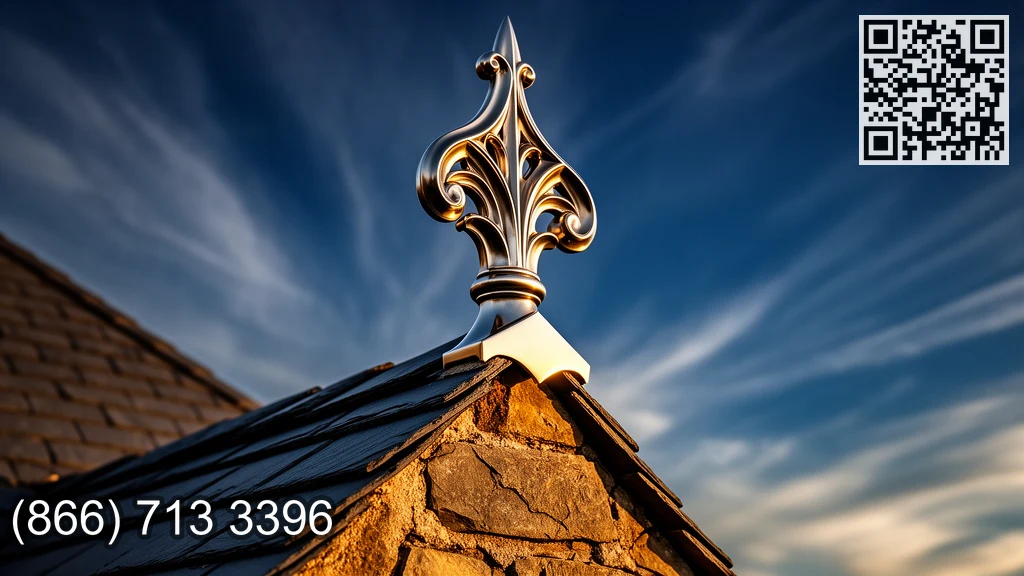
Custom Finials and climate vanes end up being spelling. Their size must read as an expansion of the cap, not a separate things. If the cap forecast is 8 inches, a finial base collar resting at about 2 thirds of that estimate will really feel incorporated. On slate and cedar roof coverings with solid structure, a taller finial gives contrast, while on standing seam roofings and smooth stucco, a reduced, cleaner silhouette maintains the structure tight.
Materials: Match the Spirit, Not Just the Species
Owners frequently request what was there: cedar if they saw cedar, copper if they saw copper. Regard is excellent, however the best reconstructions honor feature and long life together with appearance. We match the spirit of a historic product and its actions under weather, not just its color on a warm day.
- Copper: For high-exposure cupolas, copper continues to be the aristocrat. Specify 20 to 24 ounce, relying on span and wind tons. Softer old copper often owed its longevity to generous hems and slow-patinating changes, not thin sheets. Today, make the toughness with account. Lock seams away from standing water, solder in trendy shadow when possible, and stay clear of mechanical bolts with straight surfaces. Where a community desires a brighter look at install, silicon bronze bolts maintain the ensemble metallurgy suitable and the details very discreet. Copper patinates much faster near salt and sulfur. Anticipate a brown phase from 2 to 10 years, true eco-friendly usually a lot later inland. Patina accelerants can look theatrical; if made use of, utilize gently on test discount coupons and blend. Painted steel or aluminum: For budgets that can not stretch to copper, coil-coated aluminum in a high-performance fluoropolymer surface holds color for years. The technique is creating the assembly to enable higher thermal motion. Larger expansion joints, slide cleats, and secured-but-floating ridge links preserve joints through temperature level swings. Stay clear of raw cut edges exposed to standing water. Steel can be excellent when zinc-coated and completed with the same fluoropolymer formulas, but near ocean air, light weight aluminum and copper outperform. Cedar and cypress: Lumber louvers and panels use beautifully when described with air flow kerfs, back priming, and end-sealing. Western red cedar functions well over the drip line if specified clear and vertical grain. Cypress or Spanish cedar can be much better when you want thickness and a tighter grain that resists surface monitoring. Always seal end grain and blind-fasten louvers with stiles so the face checks out clean. On coastal sites, a passing through oil leaves a soft grey that feels straightforward. If painting, provide the timber a breathable guide, then an overcoat that endures mini motion. Trapped moisture is what eliminates paint, not rain. Zinc, lead layer, and crossbreeds: Historic areas in some cases require lead-coated copper where a cool gray lives more comfortably on limestone or stucco. Zinc sheet is one more path with an improved, even patina and long life span if detailed correctly. It dislikes continuous wetting and acidic drainage, so zinc below copper can discolor and shorten its life. Pile metals from noblest to most reactive down the water course to avoid galvanic disputes.
Salvo Steel Functions has actually built a credibility on this kind of subtlety. Their makers will blend copper cap deal with a cedar louver core, or sheath a wood light in lead-coated copper just at the drip area so the hand of the timber still stimulates the item. It is not an affectation, it is strategy: keep water off what water damages, and allow genuine texture take a breath where it can.
Structure and Weathering: The Part You Never See
If the outside reviews like precious jewelry, the skeletal system under it ought to be furniture-grade. Cupolas concentrate wind load at the ridge. Your aesthetic and subframe have to distribute that tons without squashing insulation or telegraming activity into the coating joints. On a tile roof in Hand Coastline, we discovered a lantern bolted via clay pans right into air. Every tornado wobbled the base. The repair was to strip at the ridge, build a cured visual that sat cleanly on sheathing and rafters, after that incorporate counterflashing right into the floor tile program pattern so the brand-new job really felt original.
The water course is whatever. Layout your cupola like a two-stage roof. Water that beats the first line of protection ought to be led to daytime without touching timber. That means:
- A curb with a slope-to-drain top and interior cricketing, so ponding never creates at the up-slope face. A totally firm pan under any kind of louver banks or lantern glazing, pitched to a weep that leaves above the roof plane, never ever right into the aesthetic cavity. Mechanical bolts outside the wet zone, with all straight surfaces hemmed and tensed, not peppered with screws. Back-primed wood and vented voids that permit incidental dampness to leave rather than collect.
That listing looks simple, but it separates antiques from headaches. A cupola is tiny. You will certainly be lured to take shortcuts that you would certainly never ever tackle a whole roofing system. Withstand them. Broadening foam stuffed right into a seam to "quiet a rattle" will certainly trap wetness, motivate corrosion, and invite parasites. If you have to support, make use of vented, non-absorbent backers and allow air move.
Ventilation: Greater than a Pretty Box With Slats
A historic cupola often served as the attic's lungs, not an ornamental second thought. Recover that feature even if the attic room currently holds HVAC. A well balanced system draws uniformly: consumption low at the eaves with soffit vents, exhaust high at the ridge, cupola, or a mix that complements the architecture. If you include a personalized cupola to a house that currently runs constant ridge airing vent, you can develop adverse stress and short-circuit air paths, pulling conditioned air where you do not desire it. Procedure net totally free location, not louvers by eye. A louver bank can lose half its efficient location to blades, structures, and insect screen.
Hidden baffles behind louvers keep rainfall out while maintaining air movement. Fit them deep sufficient to avoid a dark box appearance that reviews incorrect. On light cupolas with copper finial for curtain rod glazing, consider operable clerestory vents or a thermostatic follower only when you can not deliver passive performance. A murmur follower can operate in humid zones, but offer it solution gain access to. We have actually found followers suffocated by lint and wasp nests within two summers if no person owns the maintenance.
Matching Information: Joints, Profiles, Shadows
Historic cupolas seldom shout. Their authority comes from right, quiet information. The edge language informs you every little thing regarding intent. Copper seams that align with louver spacing appearance made up. Lumber stiles that come down on cap joints make your eye really feel secure. On reproductions, I usually see miters at corners where a standing joint would be stronger and more honest. In timber, miters open. In copper, miters can appear like trim for trim's sake.
Hems and drips deserve choreography. A 180-degree hem with a limited 3 millimeter return tenses edges, hones the darkness, and will not slice an installer's hand. Under the hem, a slight kick - even 2 to 3 degrees - sends water off and away from the base. Chimney shadows instructed a number of us the merit of a kick. The same principle secures cupola bases. If you are developing Personalized Chimney Shrouds on the exact same project, integrate their hem returns with the cupola cap so the metalwork speaks one language.
Where the cupola meets the roofing system is a joint you can not pay for to fake. Counterflashing need to not really feel glued on. On standing seam, dog-ear the joints up the visual and lock them under a copper saddle that dies neatly right into the cap. On slate, step the counterflashing into the courses as opposed to toenailing a solitary band throughout. The hour it requires to phase effectively will pay back in years of peaceful performance.
Integrating the Ensemble: Dormers, Finials, et cetera of the Roof
A cupola sits inside a chorus. If the dormers frown, the leader boxes droop, and the snow guards appear like afterthoughts, the most ideal lantern will still really feel lonely. On reconstructions at the estate level, we treat all roof covering metalwork as one compensation. That includes Custom-made Dormers where percentages echo the cupola's stile and rail language, Personalized Leader Boxes that take the exact same hem account, and Custom-made Snow Guards with a finish that will certainly mature in concert.
I like to lug a single motion across the setting up. If the cupola cap has a mild bell, the dormer head flashings might share a moderate distance rather than a difficult break. If the cupola's finial collar is knurled, repeat that knurling subtly at the weather vane base or on the collars of downspout straps near the Custom-made Leader Boxes. These are tiny notes, yet they draw the style together much the means a tailor repeats a pick sew at a lapel and a breast pocket.
Roof ventilation requires sophisticated devices. Custom Roof Vents near the ridge can mimic low dormers or disappear into a standing seam rhythm. If you lean too difficult on an off-the-shelf vent, you run the risk of developing an aesthetic hiccup. The very best vents are virtually unnoticeable up until you research the roofing. They collaborate with the cupola rather than compete with it. In snow country, Custom-made Snow Guards must be designed to the roof covering system so they protect the cupola base and lantern shadow without leaving unpleasant patterns in the area. A staggered, very discreet design keeps snow tons truthful and maintains sight lines to the ridge.
Case Research: Restoring a 1915 Lantern in the Hudson Valley
The house had the bones: a lengthy slate roofing, sedimentary rock smokeshafts, and a used light that when sang. For many years a person had actually changed the lantern's glazing with acrylic, exchanged the copper cap for aluminum, after that tarred the joints when it started to whistle. Inside, the attic room smelled like a boathouse. The owner desired not a museum item, however a working lantern that would certainly mature handsomely and stop the leaks.
We began with background. A postcard from the 1920s showed a taller light and a much more generous cap than what we saw. Measurement of ghost lines on ridge slates recommended a base that had actually been cut throughout a re-roof. That offered us self-confidence to restore the original footprint.
For products, we specified 20-ounce copper for the cap and pan, Spanish cedar for the muntins and rails, and laminated remediation glass that scatters light the method old float does. We crushed the muntins to a slim profile, after that reinforced them with a hidden bronze spline at the corners. The lantern's sill sat on a completely soldered copper pan pitched at 3 levels to four weeps that leave over the slate flowing. Those weeps arrive at small copper trays shaped to vanish right into the slate joints. From the backyard, you see only well-proportioned lines.
The cap took the most time. We echoed the postcard's lift, then included a hemmed drip with a 2-degree kick. At the optimal, a Personalized Finial subsequently copper with a threaded bronze rod goes through a compression plate hidden inside the light framework. We prepared a Customized Chimney Shroud for the biggest stack utilizing the very same hem account and drip language. Every little thing reviews like it originated from the very same hand.
Inside, we stabilized ventilation with low-profile Custom-made Roofing system Vents that align between rafters, after that set the light louvers to an internet totally free location that complements the intake at the eaves. There is no fan, just clever geometry. On a damp August afternoon, you can stand under the ridge and feel air slipping previous your cheek. Peaceful, constant, and free.
The last step was aging. The proprietor wished for fast eco-friendly, yet your house rests well inland. We allowed the copper age naturally. After a year, the cap used a soft tobacco brownish. At year three, you might see the very first environment-friendly halos at seams and under the drip. There is a temptation to rush that. We do not. Straightforward aging is deluxe in time's clothing.
Practical Realities: Spending plan, Gain Access To, and Weather
Even for generous projects, restraints shape selections. Scaffolding and staging can exceed the price of the cupola itself. If your home sits among mature trees and fragile growings, a crane day can need choreography with arborists and landscape staffs. Your timetable needs to recognize climate windows. Soldering in a stiff wind creates cold seams that fall short early. Painting lumber in high humidity catches wetness. If the work can not be done right this month, await the week that allows each trade carry out at their best.
Historic areas add layers of testimonial. Embrace them as partnership. Get here with measured drawings, a tiny model or a major mock-up of a louver, and a products board with copper gauge, wood examples, finish chips, and instance hems. When a commissioner can touch a hem and see a kick, you are halfway home.
Cost belongs on the table early. A small louvered timber cupola with painted coating could live in between mid-four and low-five figures. A light in copper with remediation glass, Custom-made Finials, and an integrated flashing system can go beyond that, especially when scaffold and crane days get in. You can handle expenses by keeping the language easy and duplicating details throughout the roof: if you are commissioning Custom Dormers or Customized Leader Boxes at the same time, the common profiles lower fabrication time and generate a much more sophisticated whole.
When to Replace in Kind, When to Reinterpret
Purists will inform you to change in kind. Commonly they are correct. A 19th-century Greek Rebirth with a serious white louvered cupola deserves an in a similar way severe substitute. Yet there are minutes where analysis is straightforward and appropriate. If the original made use of substandard lumber currently impossible, or its cap style stopped working repeatedly in your environment, your obligation is to the building's lengthy life, not blind replication.
We as soon as reconstructed an octagonal cupola that had died 3 times prior to it turned 60. Each variation utilized mitered cedar cheeks that opened up, wicked water, and decayed the subframe. We kept the octagon and the massing, after that reimagined the cheeks in standing-seam copper with a shadow bead that reads like the initial joinery. The new work acknowledges the old language without duplicating its weak point. Five wintertimes later, it has not moved or requested attention.
The Worth of a Solitary Fabrication Partner
The finest outcome often originates from one store guiding the metalwork, woodwork, and site integration. A firm like Salvo Metal Works inhabits a helpful niche right here. Their team recognizes exactly how a hem wants to arrive on a slate training course, exactly how a cedar louver requires a notch to rest silently under a copper drip, and why a leader box's electrical outlet should be fixated a mortar joint to please the eye. When the exact same hands create your Custom-made Smokeshaft Shrouds, Personalized Roofing System Vents, Custom Dormers, Personalized Finials, Custom Leader Boxes, and cupola, you do not invest hours equating in between vendors or fixing mismatched finishes.
In the field, that cohesion pays back. A supervisor that set your snow guards in the fall will currently anticipate where to put crane outriggers in spring, and a fabricator that measured your ridge in 2015 will certainly land the brand-new visual within a quarter inch without dramatization. It is not simply efficiency. A single store's vocabulary shows in the job, the way a bespoke fit reveals its manufacturer in the roll of a lapel.
Care After the Applause
A recovered cupola is not clingy, however it is not a rock. Place it on the same routine as your seamless gutters and smokeshaft caps. From the ground each springtime, study the cap's drip line for staining that hints at ponding. After hefty snow years, call your roofer to examine snow guard bolts. If your cupola airs vent the attic, back up the performance with a hygrometer upstairs and maintain a note of seasonal swings. Oak plant pollen and crawler internet can entangle louvers. A soft brush on a completely dry day clears them. If you have a lantern with glazing, a mild clean with a non-ionic cleaner maintains whatever coating your restorer selected. Avoid power washing. Water under pressure discovers its very own mischief.
Owners often ask about lightning. If a finial rests high and isolated, bond it discreetly. A braided copper band leaving a rafter bay to a ground rod is economical insurance policy. Do not let a well-meaning electrical contractor staple a strap across the face of your cap.
What Deluxe Method at the Ridge
Luxury in architecture rarely implies flash. It means correctness, patience, and restriction. It indicates the cap's hem transforms with the same treatment on the back as on the front, though twenty people will ever see it. It suggests straightening a louver stile to a remote dormer head since a person standing at the much bush will feel the consistency. It indicates selecting metals that will look better in 20 years, not brighter following week. A custom cupola reconstruction is among minority opportunities to set the tone for a residence without touching the rooms inside. Obtain the percentages right, recognize the materials, and let the weather surface the story.
When the sun establishes low and the ridge takes that initial shadow, you will certainly understand if you obtained it right. The light sits simple, the louvers breathe, the roofing drains without issue, and the finial factors at absolutely nothing specifically and whatever at once. That is the peaceful confidence a house makes, denies. Which, at the highest level, is why we restore.
Salvo Metal Works
Office - (630) 857-3631
Toll Free- (866) 713-3396
[email protected]
566 W 5th Ave, Naperville, IL 60563
 Ask ChatGPT
 Ask Grok
 Ask Perplexity
 Ask Claude
 Ask Google AI
 Ask You